Explore industry changes, user challenges and technical trade-offs to understand optical interconnect evolution and the evidence engineering decisions require.
Growing compute demand requires faster links and stable connections across more channels under power, space and manufacturing-cost constraints. These constraints explain why optical architectures and test requirements evolve together.
As chips, optical coupling and packaging become more integrated, discovering a problem only at final test can lengthen the investigation. Moving testing upstream means obtaining useful evidence at the right stage—not simply testing earlier.
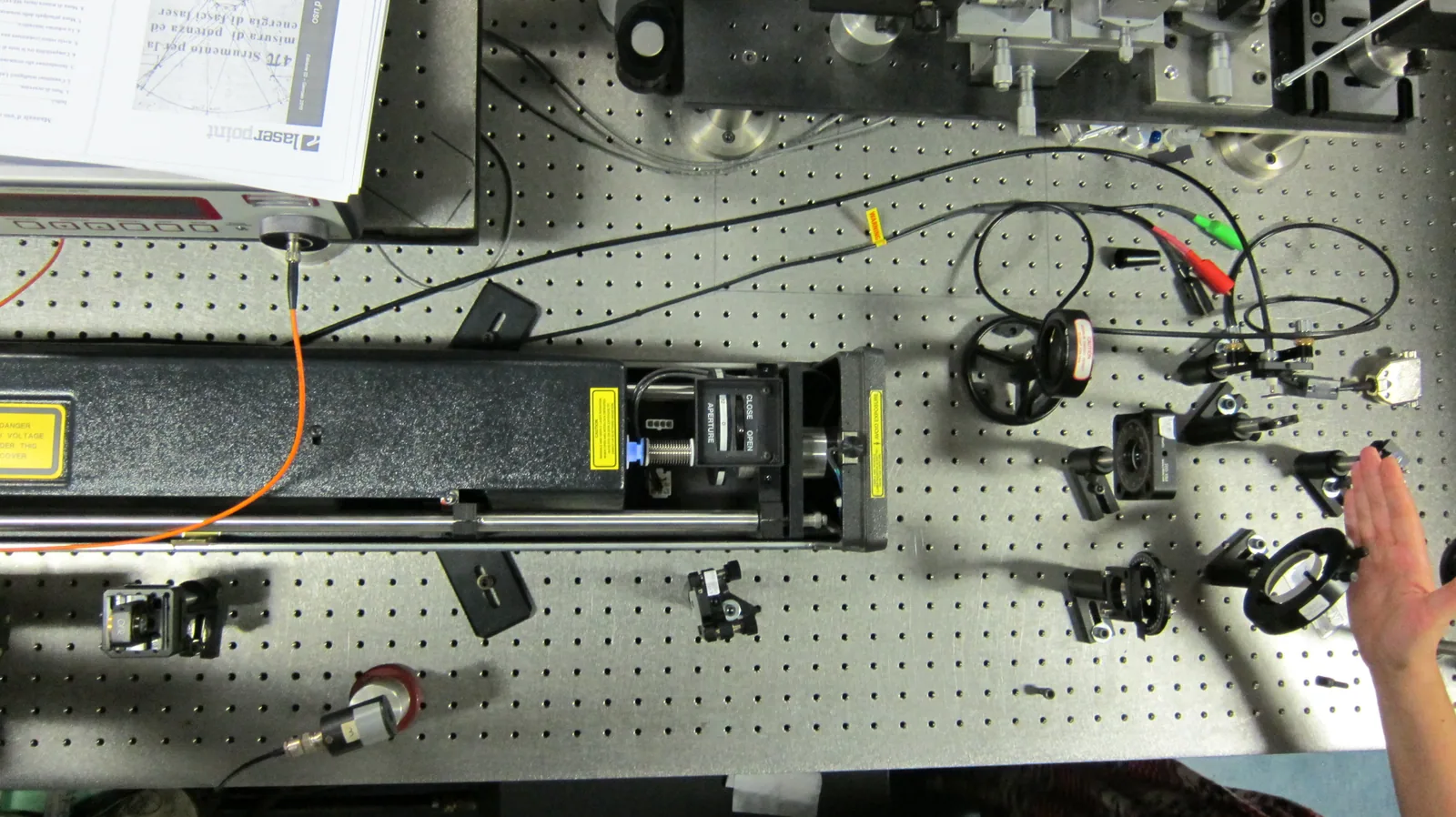
Low power, drifting traces or inconsistent repeat measurements do not necessarily originate in the chip. Verify measurement-path stability and reference conditions before separating coupling changes from device differences.
An end-to-end reading assesses overall transmission but does not directly locate an anomaly. Combining transmission results, spatial information and controlled retesting helps narrow the investigation to a structure or interface.
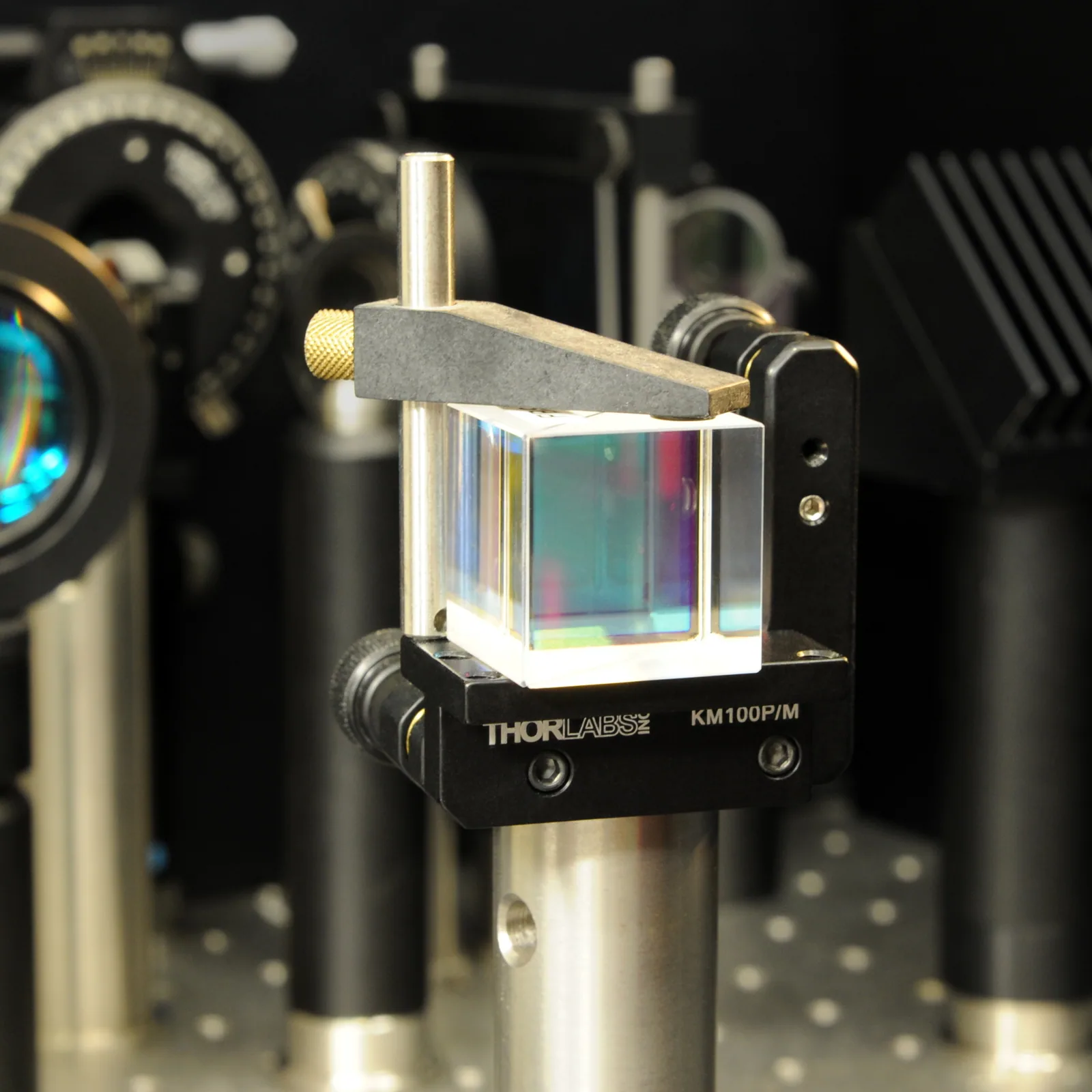
The device and wavelength stay the same, yet reconnecting the fiber produces a different transmission result. Understanding polarization helps distinguish device response from input conditions and coupling changes.
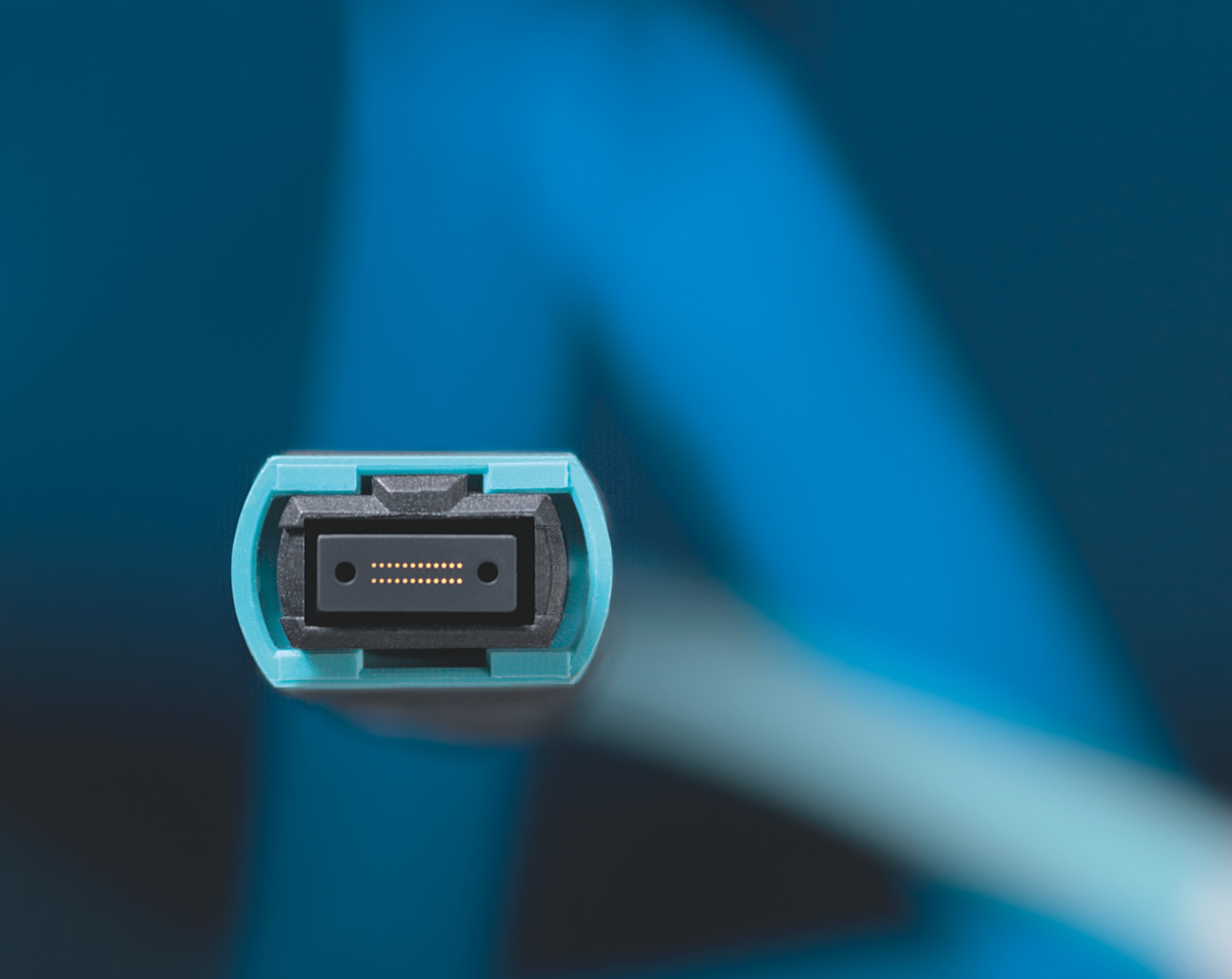
Moving from a single path to FAUs, MPOs and multichannel optical engines requires more than fast acquisition. Mapping, switching stability, reference management and anomaly retesting determine whether the results are usable.
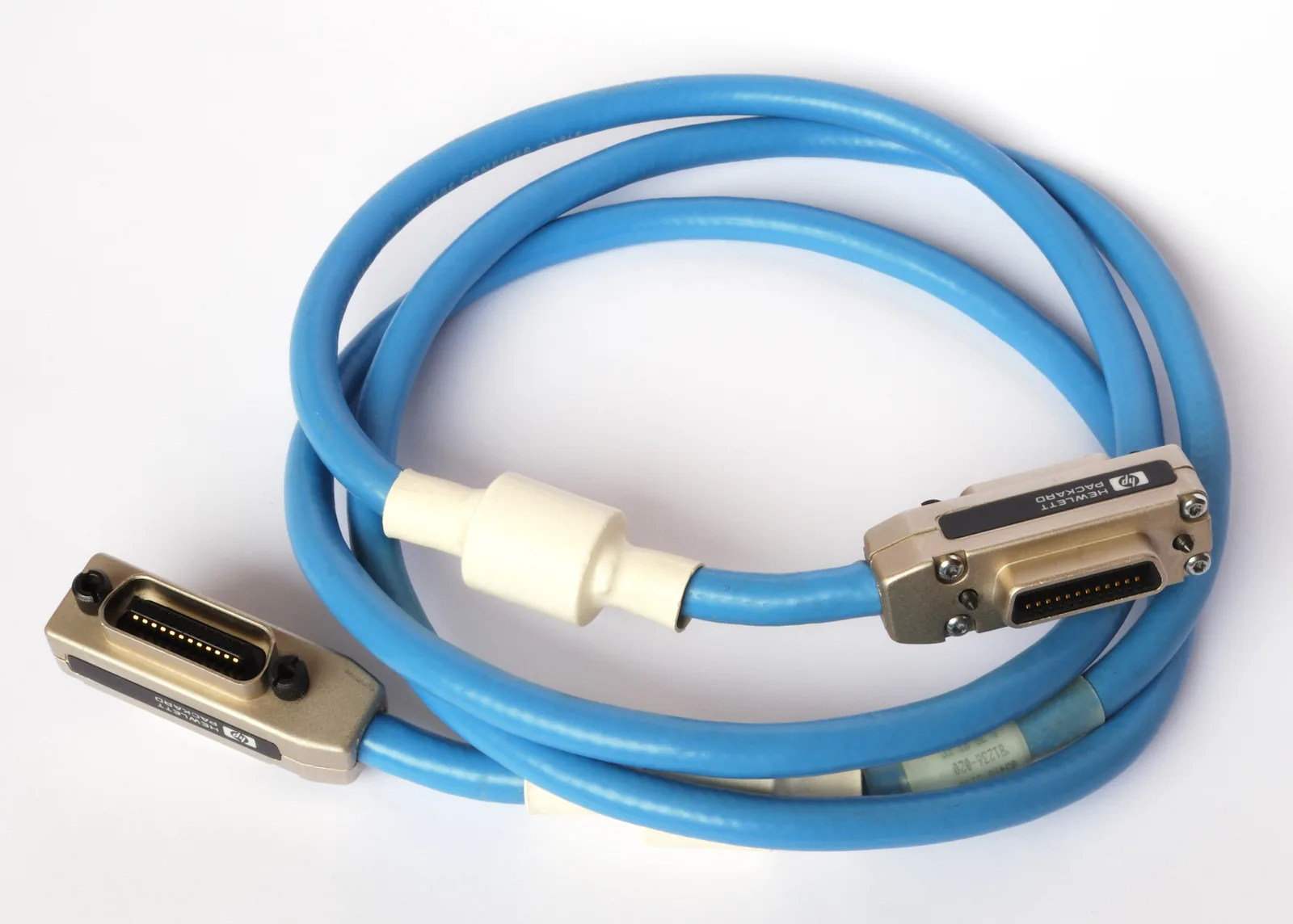
A successful remote connection only establishes a control path. A repeatable workflow also needs state synchronization, condition records, exception recovery and version management.
Programmable optical circuits depend on interference, phase and path control. Without understanding loss, drift and input conditions, changes in outputs or counts cannot readily be attributed to computation or quantum processes.